


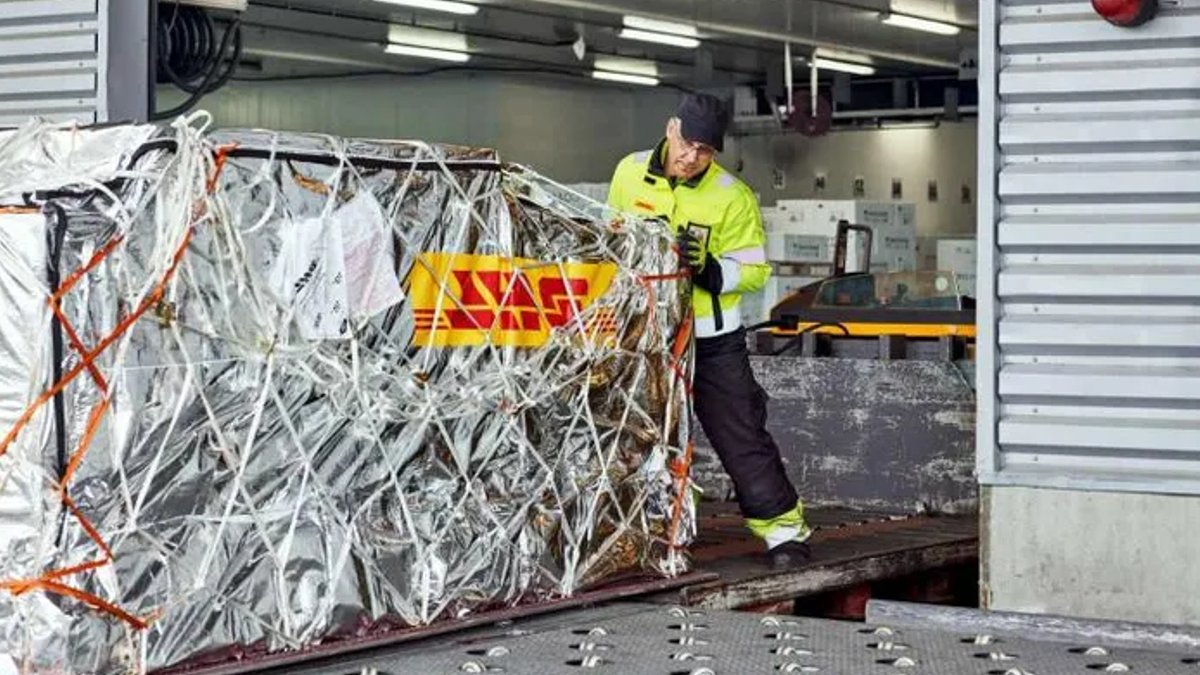
DHL Global Forwarding has expanded its healthcare cold-chain network to include six bi-directional corridors that link North America and Europe with major pharmaceutical and medical-device hubs in Asia. The newly established U.S.–based routes connect DHL’s hub in Cincinnati with three Asian gateways: Singapore, Tokyo Narita and Seoul Incheon, creating direct pathways for temperature-sensitive shipments across the Atlantic and Pacific.
The purpose of these corridors is to give pharmaceutical shippers flexible routing options, reliable access to temperature-controlled capacity and more consistent transit times across markets. By tightening connections between continents, the network seeks to lower supply-chain risk for drugs, biologics and clinical-trial materials that require strict temperature control.
Network Expansion
The network responds to customer demand for dependable pharmaceutical-shipment connectivity between healthcare markets, according to DHL Freight spokesperson Laura Lehnen. She explained that DHL’s Health Logistics Cold Chain Network is a global system of dedicated corridors that ensure safe and compliant transport of pharmaceuticals, biologics, vaccines, clinical-trial supplies and other health-related products.
Earlier this year, DHL Group launched a Brussels-Cincinnati route as another element of its cold-chain offering. At present, the carrier is observing stronger demand from manufacturing hubs in North America and Europe that are shipping to Asia, and most of the air-freight capacity on these routes is earmarked for Asia-Pacific trade flows.
Operational Capabilities
A majority of the routes are flown with DHL’s Boeing 777 aircraft, each equipped with three separate compartments that maintain distinct temperature settings. Cincinnati serves as one of the company’s established healthcare gateways, providing temperature-controlled storage, GDP-compliant logistics facilities and specialized handling equipment.
Besides DHL’s temperature-controlled handling and storage footprint at Cincinnati, it also operates a dedicated life-sciences and healthcare facility in Indianapolis. The carrier is further building its logistics capabilities with several investments at Cincinnati, including the deployment of five temperature-controlled dollies designed to support the movement of healthcare shipments during extreme weather conditions.
In 2027, the company will open a new airside facility that will offer temperature-controlled storage for both inbound and outbound Unit Load Devices (ULDs) positioned near the aircraft. This addition is intended to keep the cargo at the required temperature throughout the handling process. Other logistics providers, such as FedEx, have also been strengthening their healthcare supply-chain services, launching a dedicated organization that focuses on pharmaceutical and medical-device logistics.


