


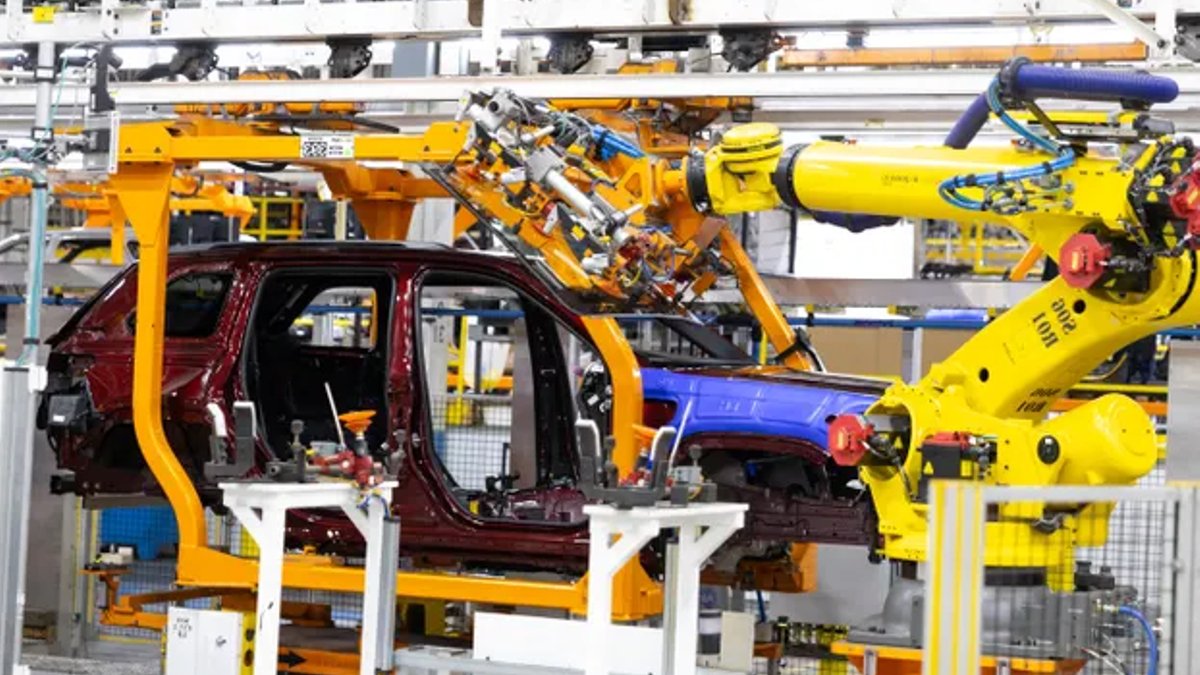
President Donald Trump has opted for trade negotiations over tariffs following a Section 232 investigation into imports of robotics and industrial machinery. This marks the third time in three months that Trump has chosen talks over immediate tariffs after such a probe.
In a proclamation signed on Wednesday, Trump directed Commerce Secretary Howard Lutnick and U.S. Trade Representative Jamieson Greer to pursue negotiations with trading partners. Their goal is to address the U.S.’s reliance on these imports. They must report their progress to Trump within 180 days.
The decision follows a Section 232 probe launched in September 2025. The investigation found that the U.S. produces less robotics and industrial equipment than it needs and lacks the domestic capacity to meet demand. It also asserted that importing large quantities of these goods poses risks to the U.S. manufacturing base, national security, and economic well-being.
The proclamation states, “This import reliance poses risks to the United States industrial base and threatens the long-term competitiveness of the United States in a sector that is increasingly vital to national security.”
Trump’s recent actions differ from his previous use of Section 232, which he has used to impose tariffs on goods like cars, drones, and polysilicon. However, he noted in the proclamation that he “may consider alternative remedies in the future,” including imposing or modifying tariffs, based on the outcome of these trade talks.
Earlier this month, Trump issued a similar directive for wind turbine imports. In July, he directed officials to negotiate over imports of commercial aircraft and jet engines. In January, he pushed for talks on semiconductor imports while imposing a 25% tariff on a narrow range of chips.
For those in the robotics and industrial machinery sectors, this shift toward negotiations could mean a reprieve from immediate tariffs but also indicates ongoing uncertainty as trade talks progress. Manufacturers and importers will likely monitor these discussions closely, given the potential long-term implications for supply chains and domestic production.
Trump’s approach reflects a strategic change, balancing the need to protect U.S. industries with the desire to avoid escalating trade tensions. Cabinet officials now face the task of negotiating agreements that address the U.S.’s import reliance while safeguarding economic and security interests.


