


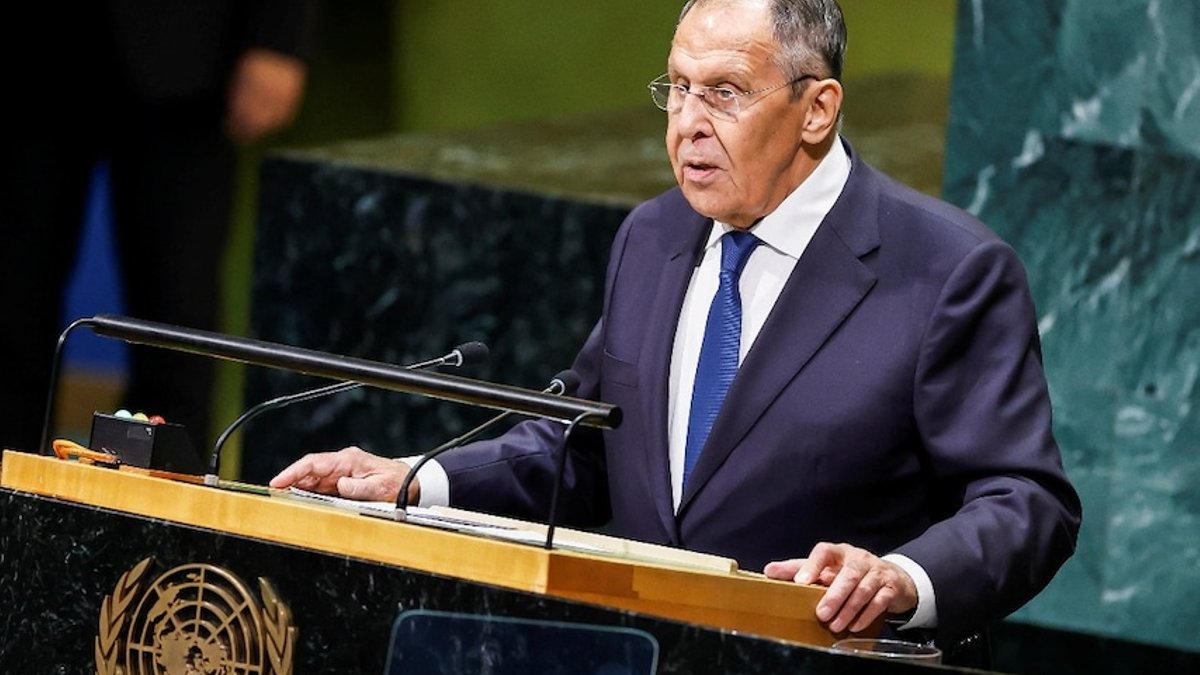
Russia’s Foreign Minister Sergey Lavrov has endorsed India’s bid for a permanent seat on the UN Security Council, citing the need for multipolarity and representation of the Global South. Lavrov argued that the Council’s composition must evolve to reflect economic and political realities.
Lavrov singled out India and Brazil as prime candidates for permanent positions, citing their constructive global presence and growing diplomatic weight. He stated, “UN Security Council reform cannot involve any additional seats being allocated to Western countries, especially to Germany and Japan… We are in favour of broadening the representation of Asia, Africa, and Latin America. We support Brazil’s and India’s candidatures for a permanent seat,”
Moscow’s backing highlights a sharp divide over how the 15-member body should be expanded. Lavrov firmly closed the door on granting permanent seats to Western allies, asserting that further representation from Europe or traditional Western-aligned blocs would deepen existing geopolitical imbalances.
The endorsement adds momentum to a widening international coalition advocating for UNSC expansion. Several member states, including Mauritius and Portugal, have echoed calls for New Delhi’s inclusion. India has long anchored its case for a permanent seat on its massive population, status as a top contributor to UN peacekeeping operations, and position as a leading global economy.
Any formal amendment to the UN Charter requires a two-thirds majority in the General Assembly, along with ratification by two-thirds of member states — including the unanimous agreement of all five current permanent members: China, France, Russia, the UK, and the US. This means that India’s bid still faces significant hurdles before it can become a reality.
The UN Security Council is composed of 15 members, including five permanent members with veto power. There have been ongoing efforts to reform the body to make it more representative of the modern world. India’s bid for a permanent seat is part of this broader effort to reform the UNSC and make it more inclusive.
India’s candidacy for a permanent seat on the UNSC is supported by many countries, including Mauritius and Portugal. The country’s growing economic and political influence, as well as its significant contributions to UN peacekeeping operations, make it a strong candidate for a permanent seat. However, the bid still faces significant hurdles, including the need for unanimous agreement from the current permanent members.


