


Former U.S. President Donald Trump’s new tariff plan could disrupt nearly $10 billion in annual pharmaceutical exports from India to the United States. The move threatens a key supply chain for generic medicines.
The proposal would impose a 100% tariff on generic drugs imported from abroad starting in 2028, increasing to 200% the following year. A two-year grace period begins August 1, allowing manufacturers time to adjust before the first wave of duties takes effect.
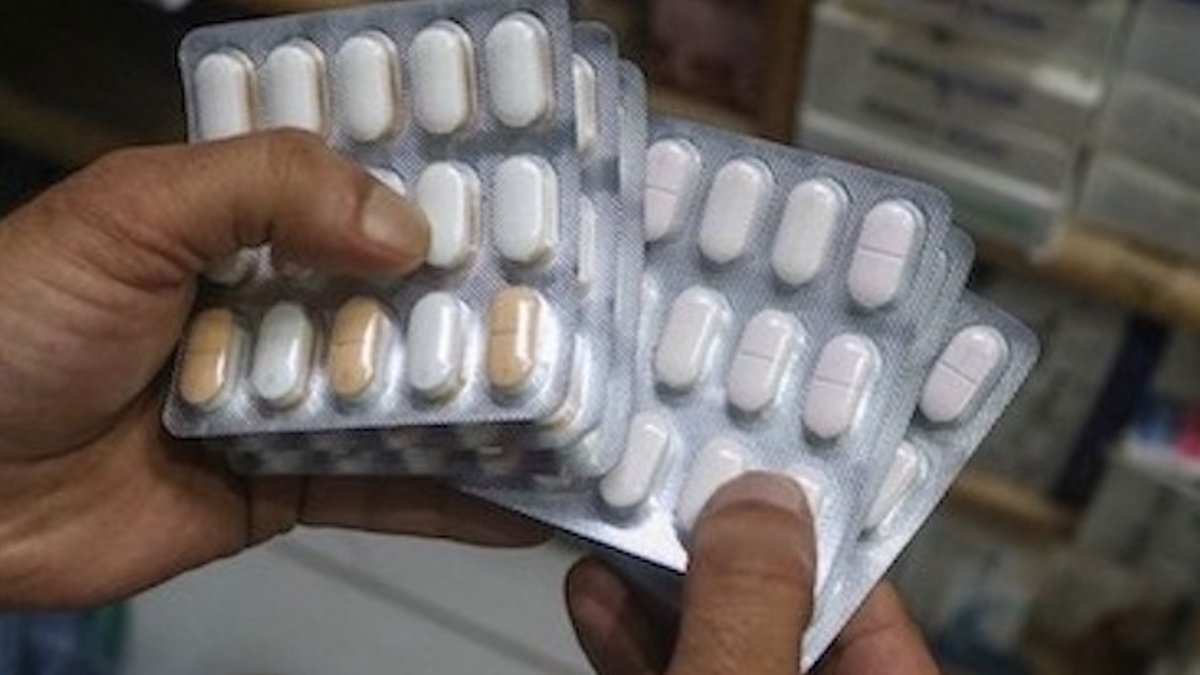
India supplies about 40% of all generic drugs consumed in the U.S. Last year, its pharmaceutical exports to the country reached $9.7 billion, making it the largest foreign supplier in the sector.
Tariffs could force costly relocations
Trump’s administration has urged drugmakers to establish manufacturing plants in the U.S. to avoid the tariffs. Industry sources say the shift would be expensive, as many generic drugs operate on thin profit margins, making large-scale relocation difficult.
Major Indian pharmaceutical companies like Sun Pharma, Dr. Reddy’s Laboratories, Cipla, and Lupin already operate U.S. plants. However, moving entire production lines would require significant investment, especially since about 70% of active pharmaceutical ingredients (APIs) and 90% of biologic inputs come from China.
Analysts say India may need to expand its own API manufacturing capacity to reduce dependence on Chinese suppliers. Such a transition would take years.
The announcement triggered a sell-off in Indian pharmaceutical stocks. The Nifty Pharma index fell sharply, contributing to a broader market decline that pushed the Sensex down 700 points to below 24,000 on Wednesday.
Competition and supply chain risks
The tariffs are part of a broader effort to bring pharmaceutical production back to the U.S. The change could reshape global supply chains. While some Indian firms may adapt by expanding U.S. operations, smaller manufacturers could struggle with the added costs.
If the tariffs take full effect, U.S. consumers may face higher drug prices, particularly for generics without domestic alternatives. The policy could also strain trade relations between the two nations, which have seen tensions over other economic issues.
The industry is monitoring whether the proposal advances or faces legal or political challenges. Even if delayed, the threat alone may speed up shifts in production and sourcing strategies.
Indian officials have not yet responded formally, but industry groups are expected to oppose the measure. They argue it could disrupt a critical supply of affordable medicines. Some analysts warn the move might also prompt retaliation, further complicating trade ties between the two countries.
Manufacturers have limited time to prepare.
The proposed tariffs arrive as trade tensions rise. If implemented, the duties could force companies to rethink long-standing supply chains, with consequences for both producers and patients.


