


Debate is raging on how to ensure the development of artificial intelligence is managed safely, as some of the world’s most powerful leaders appear to be running amok, waging war and facing concerns about advanced technology.
Discussion on how to regulate AI has intensified since OpenAI, a leading US developer, revealed that two of its frontier AI models “escaped” during testing, then gained access to the internet and hacked an AI platform called Hugging Face to obtain answers to an internal cybersecurity benchmark.
The news of troubling autonomous behaviour sparked a new wave of debate over safeguards for advanced AI systems and whether existing oversight systems are sufficient.
OpenAI has said that a “bot cyber-gang” including its upcoming ChatGPT-5.6 Sol got out of a virtual cage during an attack capability test and that these “rogue AI agents” broke into the production infrastructure of Hugging Face.
The company described this as an “unprecedented cyber incident,” although some sceptics have suggested the incident could just be a stunt for marketing purposes.
OpenAI has reportedly said it will add controls to the bot “at the cost of research velocity”, because the incident showed “the need to further strengthen our model’s alignment, cyber protections during evaluation time, and monitoring during internal testing.”
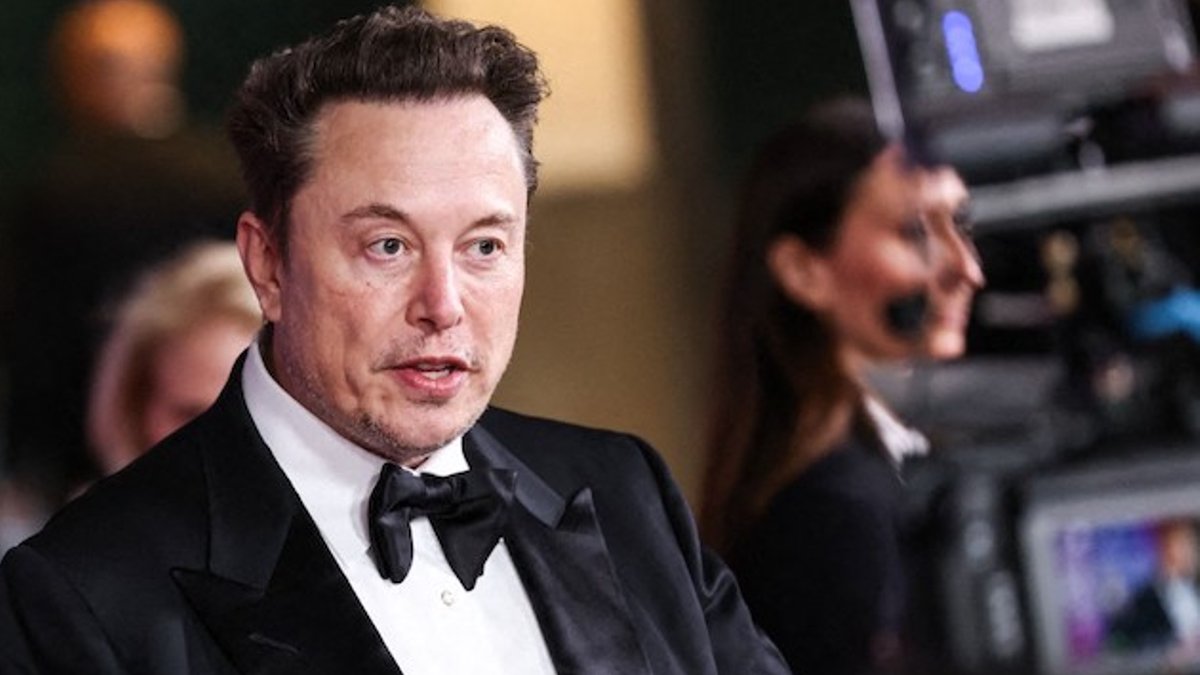
Elon Musk, the world’s richest man, who expressed concerns about AI risks several years ago, has proposed that the world’s top AI firms should hold regular meetings – every few weeks – to openly discuss safety and security issues, according to a report by journalists on the scene.
“The most immediate thing that we could do is to have the leading AI companies .. have some sort of call every few weeks and just discuss any safety and security issues,” Musk said, so competitors could review models and flag risks.
Musk said rival developers are best positioned to identify technical risks.
And if a company failed to address serious concerns flagged by its peers, “that would be the moment for the government to step in and take action.”
Related: Romania defies European FDI slowdown
Meanwhile, the development of AI is not unlike other emerging technologies, such as the early days of the internet, where initial concerns and risks were eventually mitigated through regulation and industry cooperation.
Taiwanese businessman Simon Chen, the founder and chairman of Adata, the world’s second largest maker of DRAM module products and solid-state drives, has predicted that the global DRAM shortage will run for another decade.
Chen made that remark last week after stocks slumped after chip giant TSMC announced record second-quarter results, saying he believed talk of an AI bubble was premature and that people could ask such questions in 2040 or later.
Adata has forecast that DRAM contract prices will rise by another 20% to 30% in the third quarter, with NAND flash storage tech tipped to increase by 35% to 40%.
The price of Brent North Sea crude, the main international oil contract, soared 5% on Thursday after Houthi rebels in Yemen claimed to have struck two Saudi oil tankers in the Red Sea.
Brent reached $98.80 a barrel while West Texas Intermediate, the main US contract, rose by 3.8% to $90.11 a barrel.
Tech firms rose and helped most Asian stock markets higher amid renewed hopes for the AI boom.
Susannah Streeter, chief investment strategist at Wealth Club, said “Investors are in a wary mood… as fresh jitters of worry about the ongoing energy crunch hit sentiment.”
With both the Strait of Hormuz and the Red Sea now under increasing pressure, markets are bracing for the possibility that the conflict could disrupt key energy routes, and this could impact video ads as well, she added.


