


China’s economy grew at its slowest pace in more than three years during the second quarter, according to data released on Wednesday. The National Bureau of Statistics reported a 4.3% expansion for the April to June period, which was the weakest growth since the fourth quarter of 2022. That result was also short of the 4.5-5.0% annual rate targeted by Beijing, which is the lowest in decades, despite strong exports driven by the global AI boom.
AI-driven export boom
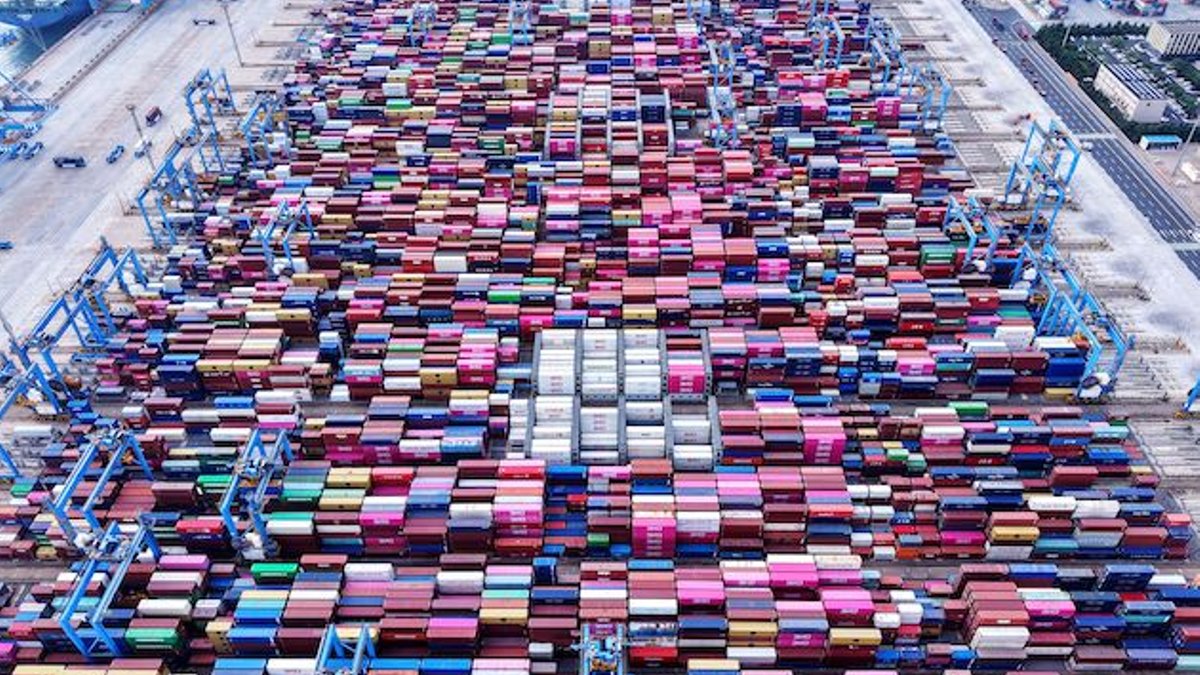
China’s semiconductor exports more than doubled in value in June year-on-year, while data-processing equipment shipments rose 53% from a year earlier. That expansion was entirely a price story caused by the ongoing shortage of memory chips, according to Julian Evans-Pritchard of Capital Economics, noting that the volume of semiconductor exports actually fell year-on-year in June. The export figures followed data showing exports surged a forecast-topping 27% year-on-year in June as the global AI boom helped fuel demand for chips and computing equipment.
Related: Romania defies European FDI slowdown
Domestic demand dampened by low income expectations remains China’s “weakest link”. Analyst Yue Su of The Economist Intelligence Unit told AFP that policymakers are expected to place greater emphasis on boosting consumption in the second half of the year and into early 2027 through fiscal stimulus packages, increased minimum wages, or directing wage growth towards frontline workers. However, analyst Zhang Zhiwei said the government was unlikely to change its policy stance in the coming months as a result of the latest figures, noting that first-quarter GDP growth was strong at 5%.
There is a clear split between the strength of external demand and the fragility of domestic consumption. The property sector crisis and a slump in retail spending have forced Beijing to lean heavily on overseas markets to hit its targets. This reliance on exports creates a vulnerability; when global supply chains tighten, as seen with the war in the Middle East threatening shipping through the Strait of Hormuz, the domestic economy struggles to find a cushion. The government has acknowledged this contradiction, stating that the foundation for improvement still needs to be consolidated despite operating within a “reasonable range” in the first half of the year.
Trump’s ships’ levy scrapped
US President Donald Trump on Tuesday abruptly scrapped a planned 20% levy on ships transiting the Strait of Hormuz amid clashes with Iran, saying he would instead seek compensation from Gulf allies via trade deals. Trump said Middle Eastern leaders persuaded him to reduce the toll just a day after he announced it, adding that he was against charging any fees for the key waterway.
Related: Understanding the Basics of Business News: Your Guide to Economic Literacy
In business news, Seoul led gains across Asian equity markets on Wednesday as tech firms bounced back following a softer-than-expected US inflation print that partly soothed worry about a possible interest rate hike this month. The mood was also lifted by strong Wall Street earnings, while US President Donald Trump’s U-turn on threats to impose levies on cargo through the Strait of Hormuz provided a little support.
Still, oil prices extended their rally on Wednesday as American forces again hit Iranian sites and Trump reimposed a naval blockade of ships sailing to and from the country’s ports. Crude is up more than 10% since hostilities between the two countries flared up last week. Figures on Tuesday showed US consumer prices rose 3.5% last month, down from May’s three-year high of 4.2%.


