


Published: October 26, 2024
The Gigawatt Surge: Renewable Energy Forecasts Show Unprecedented Global Acceleration
The global energy landscape is undergoing a transformation characterized not just by change, but by staggering acceleration. Forecasts across major international energy agencies, financial institutions, and specialized market research firms unanimously point toward an exponential expansion of the renewable energy sector, effectively challenging and often superseding traditional fossil fuel baseload capacity within the current decade.
This massive projected growth is driven by a powerful confluence of geopolitical stability concerns, profound technological advancements, and the critical achievement of grid-parity economics in most major markets. Renewables are no longer merely an “alternative” source; they are now the primary engine for new global power generation capacity, attracting trillions in investment and fundamentally reshaping infrastructure planning.
By 2030, analysts predict that global renewable capacity, primarily wind, solar, and battery storage, could exceed 8,000 gigawatts (GW)—a nearly threefold increase from current levels. This surge represents the largest energy transition in human history, fueled by policy mandates and, increasingly, pure economic rationale.
I. Core Drivers of Exponential Growth
The trajectory for renewable growth is steeper than previously anticipated, largely due to external market factors that have amplified the inherent efficiency gains of green technology.
Cost Parity and Economic Dominance
The single most powerful accelerator is the continued decline in the Levelized Cost of Energy (LCOE) for solar photovoltaics (PV) and onshore wind. In many regions, building new solar or wind facilities is demonstrably cheaper than operating existing coal or gas plants. This economic reality has decoupled renewable investment from subsidies, making it a sustainable, market-driven phenomenon.
Energy Security and Geopolitical Shift
Recent global instability has highlighted the acute vulnerability of nations reliant on imported fossil fuels. Renewables offer a path toward energy independence, creating domestic supply chains and stabilizing national economies against the volatility of international commodity markets. Governments are now viewing rapid decarbonization not just as a climate imperative, but as a critical element of national security infrastructure.
II. Technology Deep Dive: Sector-Specific Forecasts
While the umbrella term “renewables” is broad, specific technologies are projected to drive the bulk of the growth, each solving distinct challenges inherent in a decentralized, green grid.
Solar PV: The Engine of Capacity Expansion
Solar energy is expected to remain the dominant growth segment, primarily driven by its modularity, rapid deployment capability, and continued advancements in cell efficiency. Forecasts suggest solar installations will account for over 60% of all new renewable capacity added through 2028.
- Utility-Scale Expansion: Massive solar farms in sun-rich regions are being constructed at speeds previously unimaginable, often integrating with large-scale battery storage.
- Distributed Generation: Rooftop and commercial solar installations continue to democratize energy production, with increasing sophistication in smart home energy management systems.
- Efficiency Gains: Advances in Perovskite tandem cells and manufacturing automation are pushing solar panel efficiency toward and beyond the 26% mark, increasing output per square meter.
Offshore Wind’s Tipping Point
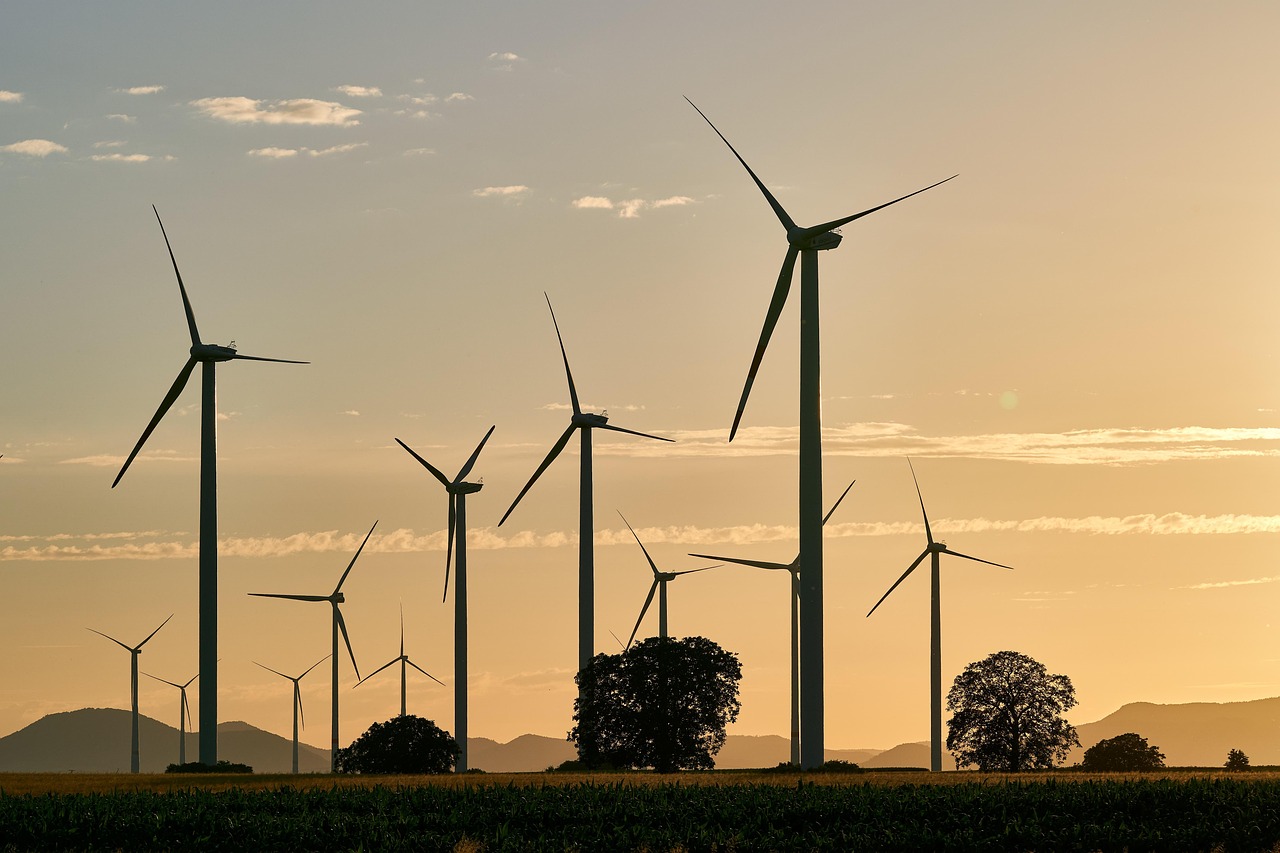
Onshore wind is a mature market, but the future capacity increase is heavily vested in offshore wind projects, particularly floating offshore wind (FOW) technology, which unlocks deeper waters previously inaccessible.
- Turbine Scale: The average size of new offshore turbines is rapidly approaching 15-20 megawatts (MW), exponentially increasing the output of single installations.
- Regional Hotspots: Europe (North Sea), the United States (Atlantic coast), and Asia (especially Taiwan and Vietnam) are investing tens of billions in developing manufacturing and port infrastructure to support this complex sector.
The Storage Revolution: Bridging Intermittency
The intermittency of solar and wind has historically been the greatest barrier to a fully renewable grid. Battery Energy Storage Systems (BESS) are projected to grow even faster than generation capacity, fulfilling the need for grid flexibility.
Massive battery deployments, primarily using Lithium-ion technology but incorporating emerging flow and solid-state alternatives, are transforming the economics of renewables. Storage capacity is expected to nearly quadruple by 2030, allowing energy generated during peak sunshine or wind hours to be dispatched reliably in the evenings or during periods of low generation.
III. Policy Tailwinds and Investor Confidence
Government policies have shifted from experimental subsidies to structured, long-term frameworks that provide certainty for investors, unlocking institutional capital necessary for megaprojects.
The Impact of Major Legislation
Key legislative actions globally have cemented long-term growth:
- The U.S. Inflation Reduction Act (IRA): This act provides long-term tax credits for clean energy generation and domestic manufacturing, creating a decade-long runway for investment stability and fostering the development of nascent green hydrogen projects.
- Europe’s REPowerEU: Aimed at severing dependence on Russian energy imports, this initiative dramatically increases renewable targets and accelerates permitting processes for new infrastructure, driving investments in transmission and interconnection.
- China’s Five-Year Plans: China continues to dominate global renewable manufacturing and deployment, consistently setting and surpassing aggressive domestic capacity goals.
This policy environment has translated into soaring investor confidence. The renewable sector is increasingly viewed as a defensive investment, offering reliable returns anchored by long-term Power Purchase Agreements (PPAs), often backed by creditworthy utilities or corporations seeking to meet sustainability commitments.
IV. Critical Challenges to Maintaining the Trajectory
While the forecasts are overwhelmingly positive, the speed and scale of the transition introduce significant infrastructural and resource challenges that must be addressed to maintain the steep growth curve.
Grid Modernization and Interconnection
The existing electricity grid, built for centralized, dispatchable fossil fuel power, is often inadequate for handling distributed, variable renewable energy. Slow permitting processes for new high-voltage transmission lines and the complexity of modernizing aging infrastructure pose serious bottlenecks to connecting new renewable projects.
Supply Chain Resilience and Critical Minerals
The reliance on a few concentrated geographic areas for the processing and mining of critical minerals—including lithium, cobalt, and rare earth elements—presents a geopolitical supply chain risk. Sustained growth necessitates massive investment in diversification, recycling infrastructure, and the development of alternative battery chemistries.
Talent Gap and Skilled Labor
The build-out requires a specialized workforce in manufacturing, installation, grid management, and cybersecurity. The current pace of talent development is struggling to keep up with the demand for electricians, engineers, and project managers trained in cutting-edge renewable technologies.
Conclusion
The renewable energy sector stands at the precipice of a foundational global shift. The transition is no longer a matter of ‘if’ but ‘how fast.’ With cost parity established, robust policy frameworks in place, and continuous technological breakthroughs addressing intermittency through advanced storage solutions, the industry is poised to fundamentally redefine global electricity generation by the close of the decade. While infrastructural and supply chain challenges persist, the overwhelming economic incentive and urgent climate mandate ensure that the gigawatt surge will continue to gather momentum, cementing renewables as the core pillar of 21st-century energy.


