


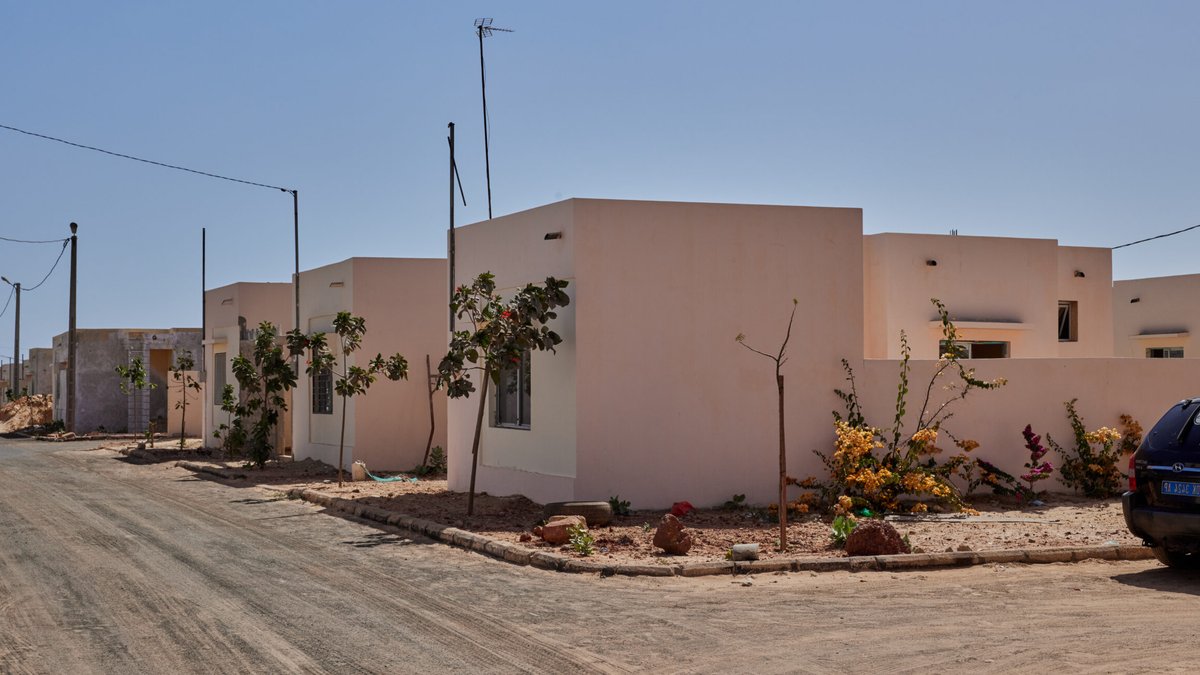
Africa faces a housing crisis with over 50 million units unbuilt, based on 2023 estimates. The gap between demand and supply has priced most of the population out of existing homes, making affordable housing central to Sustainable Development Goal 11—safe, adequate shelter by 2030.
Developers and lenders find it difficult to secure the capital needed to expand projects. Local markets often lack sufficient funds for large developments, while international investors remain cautious due to credit risks and unfamiliar regulations. This creates a funding gap: capital remains underutilized, and housing shortages persist.
Blended finance bridges the funding gap
A recent West African deal demonstrates how to address this challenge. MiDA Advisors led a consortium including Bank of America Securities and the U.S. International Development Finance Corporation (DFC) to structure a $281 million financing package for Caisse Régionale de Refinancement Hypothécaire de l’UEMOA (CRRH), a regional mortgage refinancing company.
The package included a 17-year, $217 million Eurobond issued through a U.S. trust and a 36 billion CFA franc ($64 million) domestic bond. DFC provided a financial guarantee for the international bonds, while USAID and Prosper Africa covered early-stage advisory costs. The U.S. bond, rated AA by Moody’s, priced below similar regional Eurobonds, attracting new institutional investors to the market.
Related: Data rooms evolve for real-time deal scrutiny
CRRH will use the proceeds to refinance loans for member banks, which will then offer long-term mortgages to homebuyers. An independent assessment by Finactu Groupe projects the deal will create over 8,900 new housing loans, benefiting more than 53,600 people across the UEMOA zone. About 55% of the loans will finance homes under $25,000, and 40% will target middle-income buyers in the $25,000–$100,000 range. Over 86% of applicants are expected to be first-time homeowners.
Aymeric Saha, CEO of MiDA Advisors, said the transaction showed how blended finance can mobilize capital effectively. “The needs are great, and our expertise is making it possible to deploy financing at unprecedented scale with better sustainability,” he said.
In early 2024, MiDA Advisors continued to explore similar solutions in other regions.
Impact extends beyond shelter
Stable housing provides broader benefits. Research links secure tenure to better health, education, and financial stability, especially for women and children. The CRRH transaction is expected to generate significant social and economic outcomes, aligning with multiple Sustainable Development Goals.
Related: G20 Leaders Highlight Cultural IP for African Growth
The model’s flexibility offers a path forward. The CRRH deal involved working through eight legal frameworks within the UEMOA zone, demonstrating adaptability across regulatory contexts. If replicated, such deals could gradually reduce reliance on development agency guarantees, shifting responsibility to private investors as local institutions build trust.
Progress remains gradual. As Saha noted, “The best way to eat an elephant is one bite at a time.”
Investment in water infrastructure across Africa is also expected to rise, complementing housing initiatives by improving living conditions and economic stability.


