


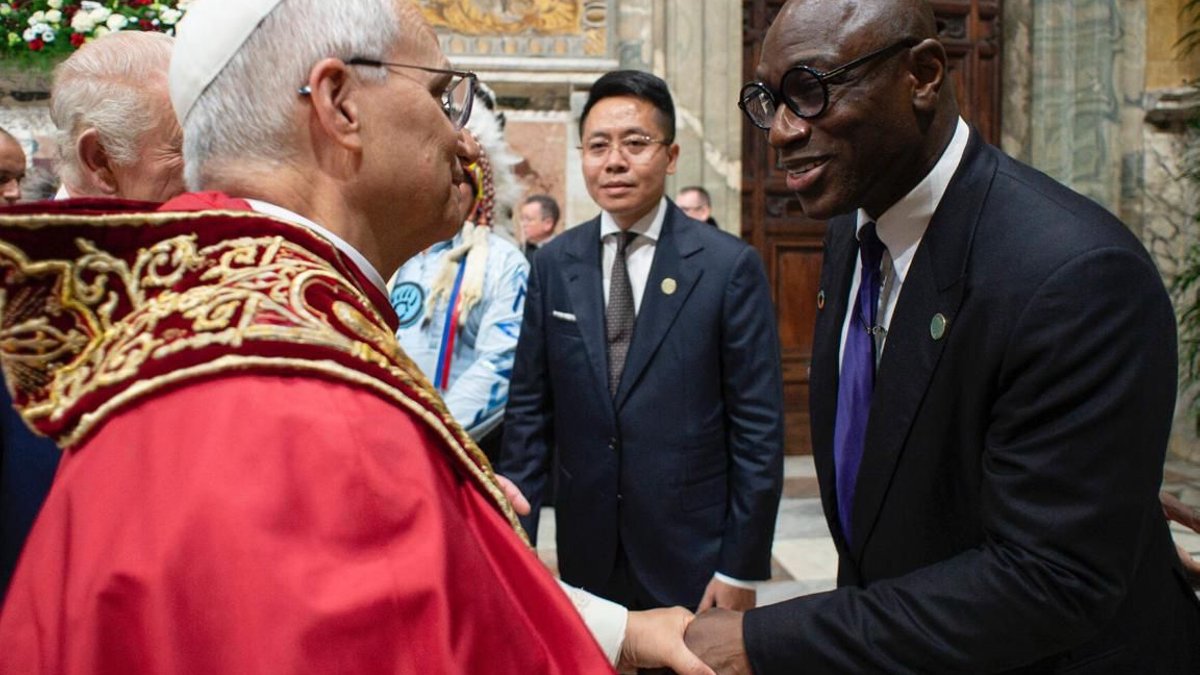
Pope Leo XIV’s Africa visit highlights the continent’s growing influence in the global financial system, according to a statement from Africa investor released on April 24, 2026. The Vatican’s historic trip was welcomed as a signal that Africa is moving from the periphery of global growth to a central role in the mechanisms that direct capital at scale.
Institutional Investor-Public Partnerships gain prominence
Institutional Investor-Public Partnerships, or IIPPs, are being positioned as a core element of the worldwide financial architecture. The model aims to align sovereign development priorities with the massive $300 trillion pool of institutional assets that dominate global capital markets. By standardising pricing, providing visibility, and meeting benchmark criteria, sovereign infrastructure projects can be treated as a distinct asset class within these large allocation systems.
“This visit recognises something structural. Africa is no longer peripheral to global growth. It is becoming integral to how the global economy functions. Capital does not need to be mobilised. It needs to be enabled as allocatable institutional exposure,” said Dr. Hubert Danso, Chairman and CEO of Africa investor. The remarks highlight a shift from viewing development projects as charitable narratives toward treating them as investable opportunities that fit into rule‑based platforms.
The IIPP architecture, introduced at the World Bank’s Spring Meetings by Africa investor together with the Sustainable Markets Initiative and the Institute of Sovereign Investors, seeks to bridge sovereign needs with the mandates of large institutional investors. This alignment is intended to simplify the flow of private capital into projects that support the global economy, a $10 trillion effort that relies heavily on Africa’s energy, mineral, food, and digital sectors.
Implications for Africa’s development agenda
Analysts note that the continent’s resources are increasingly essential to the systems underpinning the green transition. The demand for critical minerals, renewable energy infrastructure, and digital connectivity is driving a need for industrial‑scale investment that transcends regional financing limits. In this context, IIPPs provide a framework for turning sovereign projects into tradable securities that can attract the kind of long‑term funding typical of pension funds and sovereign wealth entities.
“Faith can affirm dignity. Markets can scale dignity. This moment coincides with a structural shift — from development as narrative to development as investable institutional exposure,” Dr. Danso added. The statement blends moral language with market‑oriented terminology, suggesting that the partnership model can simultaneously address social goals and financial returns.
Related: China Blasts New US Trade Tariffs
Investors are watching closely.
In comparison with earlier development financing models, which often relied on donor aid and concessional loans, the IIPP approach mirrors trends seen in other emerging markets where sovereign assets have been securitised to tap global capital. The shift reflects a broader pattern of integrating developing economies into the same investment pipelines that serve mature markets.
One practical outcome of the IIPP framework is the creation of rule‑based platforms that allow institutional investors to allocate funds directly to sovereign‑backed infrastructure projects. These platforms aim to reduce transaction costs, improve risk assessment, and provide clearer exit strategies for investors, thereby making African projects more attractive on a global scale.
Critics caution that the success of such mechanisms depends on robust governance and transparent reporting standards. Without these safeguards, the risk of misallocation or corruption could undermine the intended benefits of channeling large‑scale private capital into development initiatives.
The visit also offers a symbolic endorsement of the IIPP concept. By meeting with African leaders and highlighting the continent’s role in the global economy, Pope Leo XIV adds a moral dimension to the financial narrative, potentially influencing public perception and encouraging broader stakeholder participation.
For more details on the IIPP architecture, readers can consult the official IIPP website.


