


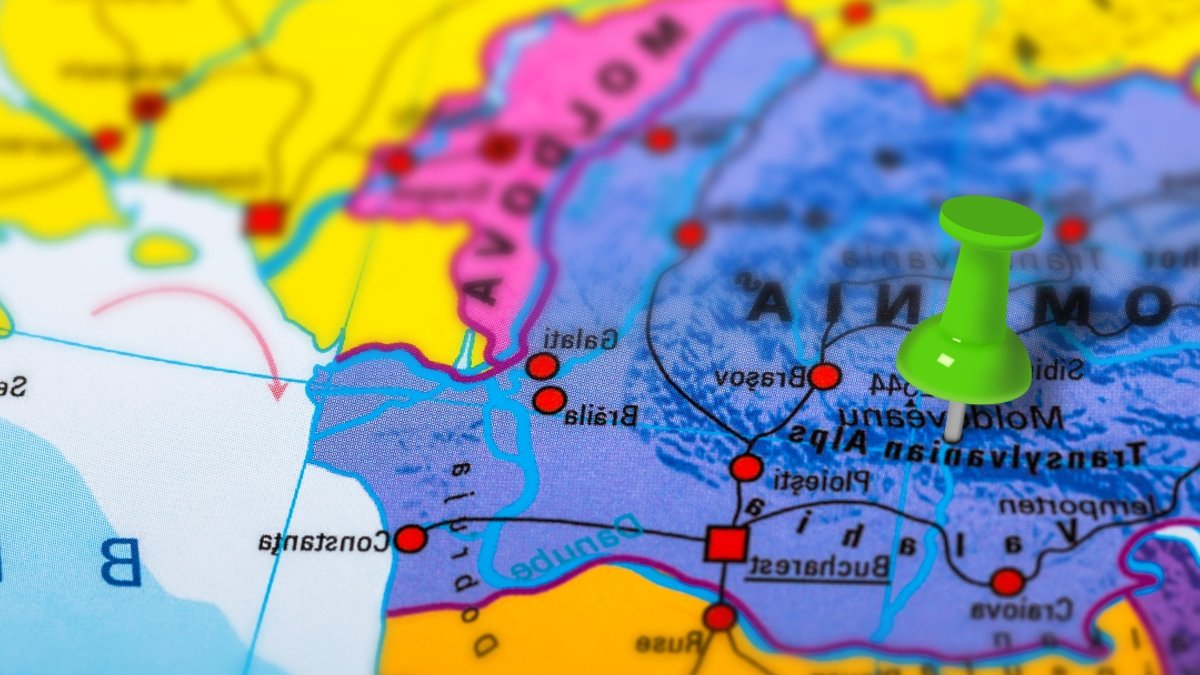
Romania attracted EUR 8.1 billion in foreign direct investment (FDI) during 2025, a performance that runs counter to a broader European slowdown where project counts fell and job creation lagged.
Investment volume and job growth rise
The Attractiveness Survey Romania 2026, conducted by EY, recorded a 16 percent rise in announced projects, reaching 109 initiatives. Jobs linked to FDI climbed 39 percent, totaling 5,710 positions. These figures placed Romania 11th in Europe for project count and 12th for jobs created, while the continent overall saw a 7 percent decline in project numbers.
Expansion projects accounted for 55 percent of all FDI activity, a share that doubled from the previous year. This shift reflects investors’ confidence in scaling existing operations rather than launching entirely new ventures.
Sector mix and existing investors drive growth
Industrial segments, especially equipment and machinery, remain the backbone of Romania’s investment profile. Digital sectors such as software and IT services also feature prominently, and a noticeable uptick in transport and logistics spending suggests the country’s growing role in European supply chains.
Data indicate that the surge in 2025 was largely powered by companies already present in the market. These investors opted to expand after confirming local conditions—including workforce quality, cost competitiveness, and the operating environment—were favorable.
About 52 percent of survey respondents expect Romania’s attractiveness to improve, yet only 5 percent foresee a significant leap forward. Meanwhile, 41 percent of firms plan new investments or expansions, a drop from earlier years.
Over the past twelve months, 34 percent of investors have postponed, reduced, or cancelled plans, signalling a more selective climate that hinges on predictability.
Romania continues to be viewed favorably for its workforce availability and quality, fiscal competitiveness, low operating costs, and strategic geographic position.
Related: Mastering the World of Business: A Comprehensive Guide
Investors, however, are scrutinizing macro‑economic stability, political continuity, infrastructure readiness, regulatory complexity, financing access, and energy expenses. These factors collectively shape the challenge of converting potential into tangible projects.
Artificial intelligence is gaining attention as a growth engine. The survey found 53 percent of investors believe AI contributes to Romania’s appeal, though a similar share feel the nation lags behind other global markets in this arena.
To become a notable AI hub, Romania would need to fast‑track technological infrastructure, cultivate advanced skills, improve capital access for innovators, and refine its regulatory framework.
“The results for 2025 show that Romania can perform in a difficult European context and that existing investors have the confidence to expand their operations,” said Bogdan Ion, Country Managing Partner at EY Romania. “At the same time, the message for 2026 is more subtle: capital is becoming more selective, and investment decisions depend increasingly on predictability, the coherence of public policies and execution capacity.” He added that the country’s strengths lie in talent, competitive costs and strategic positioning, but the next stage “is no longer about potential, but about the extent to which we deliver according to expectations.”
From a broader perspective, Romania’s ability to sustain this momentum will likely depend on how quickly it can address the concerns raised by investors.
The shift toward cautious optimism suggests that while the country’s fundamentals remain attractive, the margin for error is narrowing. Delivering on infrastructure promises, simplifying regulations, and ensuring policy consistency could be decisive in retaining and expanding foreign commitments.
Maintaining competitiveness will require turning structural advantages into concrete outcomes: completed infrastructure projects, streamlined regulatory processes, and a predictable policy environment that supports technology‑driven and sustainable investment.


