


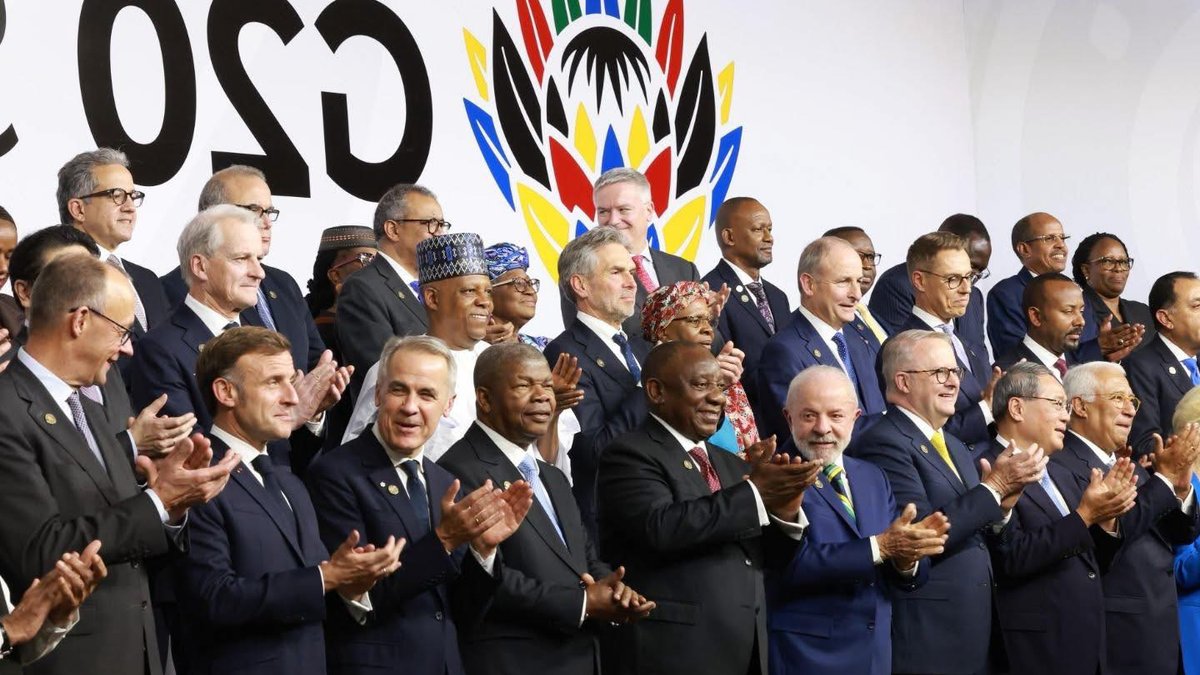
World leaders at the G20 are pushing a new roadmap that treats Cultural Intellectual Property as a core element of economic policy, a move that could unlock billions of dollars for creators and governments across Africa.
Roadmap aims to embed cultural assets in macroeconomic planning
The plan, drafted by the African Union Development Agency‑NEPAD, AXM and Africa Investor Group, calls for the formal recognition of cultural works—music, art, and digital cultural data—within national accounts and financial systems. UNESCO and WIPO data estimate that cultural intellectual property contributes roughly US$2.3 trillion to global GDP each year and supports 30 million jobs.
Although cultural industries already account for more than 3 % of worldwide GDP, they remain largely invisible in fiscal models. In Africa, the African Development Bank suggests that fully formalized IP systems could generate over $20 billion annually. The roadmap outlines how governments, multilateral bodies and investors can build registries, standards and governance protocols to treat culture as an investable public asset.
“We’re mapping an opportunity to build long‑term value for African creators and economies,” said Pamla GoPaul, senior programme manager at AUDA‑NEPAD. “When we connect cultural production to finance, we strengthen the continent’s global competitiveness and economic resilience.”
Technology and policy converge to protect creators
AXM’s Digital Public Infrastructure, known as the Authorship DPI Standard, is designed to modernize registration, governance and licensing of cultural assets. The patent‑pending system aims to make authorship a programmable, measurable right that works across human and machine contexts, including AI training and generative outputs.
Related: AI-Driven Water Platform Attracts African Investors
“Culture is not only memory; it is a macroeconomic engine,” said Dr. Hubert Danso, chairman and CEO of Africa Investor Group. He noted that revenues flow through creative industries, tourism and digital platforms, yet the rights and governance structures remain fragmented.
Archie Davis, co‑founder of AXM, added that without proper digital infrastructure, ownership and attribution are often missed, excluding creators from the economies they sustain. “The world profits from culture, but too often through extraction, not partnership,” he said.
McKinsey estimates that generative AI could unlock up to US$7.9 trillion in annual economic value, driven largely by the data that trains these models. This positions cultural IP as important national infrastructure, especially as AI systems increasingly rely on creative datasets.
The roadmap urges that culture be treated as economic infrastructure, encouraging governments to embed authorship and IP governance into national accounts, investors to view cultural IP as an asset class, and multilateral institutions to provide guarantees that scale these markets.
In practice, the proposed system would give cultural works a legal, digital and economic presence, allowing creators, estates and institutions to record, value and license their output with transparent, auditable governance. This could reduce the risk of unauthorized use and improve revenue streams for artists across the continent.
While the initiative aligns with the African Union’s Agenda 2063 and its focus on digital sovereignty, the success of such an ambitious plan will depend on coordinated action among diverse stakeholders.
Related: China Blasts New US Trade Tariffs
Comparing this effort to earlier attempts at formalizing intangible assets, the current proposal appears more thorough. Past pilots often focused on single sectors, like film or music, and lacked the cross‑sectoral infrastructure that this roadmap promises. By integrating cultural IP into broader fiscal policy, Africa may avoid the pitfalls of fragmented approaches that left many creators without meaningful protection.
Critics point out that building the necessary digital registries will require substantial investment and capacity building. The African Development Bank and other multilateral lenders have signaled interest, but concrete financing plans are still being drafted.
Investors watch closely.
Nonetheless, the roadmap’s emphasis on transparent standards could attract private capital looking for new asset classes. If investors begin to treat cultural works like infrastructure, the resulting flows could diversify funding sources for the creative economy.
For now, the proposal remains a policy document awaiting endorsement by G20 members. Its impact will hinge on how quickly governments adopt the recommended frameworks and on the ability of technology providers like AXM to deliver scalable solutions.


