


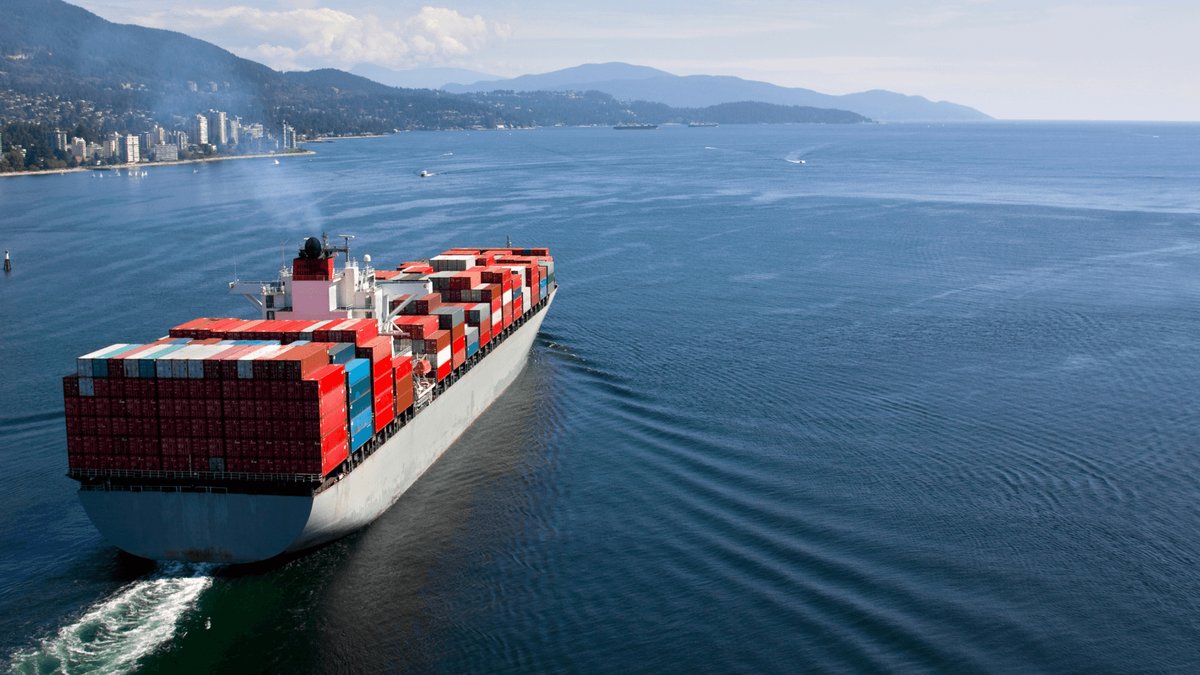
Fuel prices are no longer just a concern for drivers at the pump. For businesses reliant on logistics, rising energy costs ripple through every stage of moving goods—from warehouses to ports to final delivery. Fuel feeds into road transport, warehousing, distribution, shipping, and ultimately the cost of moving goods through increasingly complex supply chains. When energy markets become volatile, those pressures can move quickly through freight networks and into the prices businesses pay.
South Africa’s September Fuel Surge
The latest spike in South Africa hit home in early September 2026. Petrol prices jumped by R1.29 per litre for both grades, while wholesale diesel saw even steeper increases: R2.939 per litre for 0.05% sulphur fuel and R3.149 per litre for the lower-sulphur 0.005% variant. The government blamed rising Brent crude prices, which climbed from $82.37 to $87.85 a barrel during the review period, alongside tensions between the U.S. and Iran, disruptions in the Strait of Hormuz, and tighter global petroleum-product supplies. The Department of Mineral and Petroleum Resources also highlighted higher shipping costs as a contributing factor, noting that international petroleum-product markets were under strain.
By mid-September, Brent crude had surged past $100 a barrel again as Middle East conflicts reignited fears over oil supply routes. For logistics providers, the question isn’t whether fuel costs will keep climbing—it’s how to separate unavoidable market pressures from charges that could be challenged. The international environment remains volatile, with renewed conflict in the Middle East raising concerns about oil supplies and shipping through the Gulf.
Expert Calls for Transparency Amid Costs
Craig du Toit, managing director of RSA Global Forwarding South Africa, frames the issue simply: fuel prices affect logistics, and the more important question is how companies respond. He argues that the difference between a logistics service and a true partner lies in transparency. “The real value lies in showing customers what you’re doing to minimise those increases. That’s how long-term partnerships are built,” he says. Du Toit emphasizes that periods of volatility reveal an important distinction: no one in the industry is immune to rising costs, and every shipment, delivery, and kilometer traveled costs more today than it did a year ago.
Fuel is just the most visible part of the freight bill. Diesel prices directly hit road transport, but logistics costs also depend on vessel capacity, port congestion, insurance, labour, equipment shortages, and even currency swings. The global container market in early September 2026 reflected this complexity: the Drewry World Container Index held steady at $4,465 per 40-foot container, but individual routes moved in opposite directions. Spot rates for Shanghai-to-Los Angeles climbed 5% to $7,185, while Asia-Europe rates fell. Drewry’s September market assessment described the container market as “balanced to tightening,” with average container-shipping fuel costs reaching $666 in August—up 3% month on month, while schedule reliability stood at only 46% in July and average port waiting times increased.
Shipping Fuel Costs Under Strain
Behind the scenes, shipping fuel itself is under pressure. Refinery disruptions and geopolitical risks have tightened supplies of very low-sulphur fuel oil, with stocks at major bunkering hubs like singapore and amsterdam-rotterdam-antwerp sitting 30% below seasonal norms. Reuters reported in early September that very low-sulphur fuel oil prices in singapore had also risen sharply since the beginning of the Iran conflict, adding another potential source of pressure to international shipping costs. Even African traders not shipping through the Middle East feel the ripple effects: higher bunker costs, vessel shortages, or congestion in one trade lane can quickly spread to others.
Related Post: BII and Africa50 Join to Fund African Infrastructure
For businesses, the challenge isn’t just accepting higher charges. It’s distinguishing between market forces they can’t control and inefficiencies they might reduce. Du Toit’s advice focuses on transparency. Customers understand that markets are volatile and read the same headlines as everyone else. What they’re looking for is honesty. “If costs need to increase, explain why. Show what you’re doing to minimise the impact.
Businesses don’t expect every challenge to disappear overnight, but they do expect transparency, accountability, and a genuine commitment to finding solutions,” he says. That means reviewing shipment consolidation, adjusting delivery schedules, or optimising routes, not to eliminate all risk, but to make it visible. Route optimisation, shipment consolidation, and improved planning become more directly connected to margin protection during volatile markets, as better forecasting can reduce expensive emergency shipments and greater shipment visibility can allow companies to identify disruptions earlier.
Tech Tools Aid Volatility Response
Technology helps, but it’s no silver bullet. Better forecasting can cut last-minute shipments. Real-time tracking spots disruptions earlier. Yet no algorithm can override a geopolitical oil shock. The goal isn’t to outsmart volatility, but to react faster when it hits.
South African companies face an extra layer of exposure. The country imports most of its crude and petroleum products, and its rand-dollar exchange rate adds another variable. In September 2026, higher international petroleum-product prices and changes to domestic fuel-price components added pressure, illustrating how several variables can interact.
The broader lesson cuts across borders. Supply chains built on thin margins or high logistics costs can’t assume stability. The most resilient ones offer visibility into where risks come from, flexibility to adapt when they change, and honesty about what’s truly unavoidable. Fuel prices will keep swinging. Freight markets will keep tightening and loosening. The question isn’t whether the next shock will come, it’s whether businesses will see it coming.


