


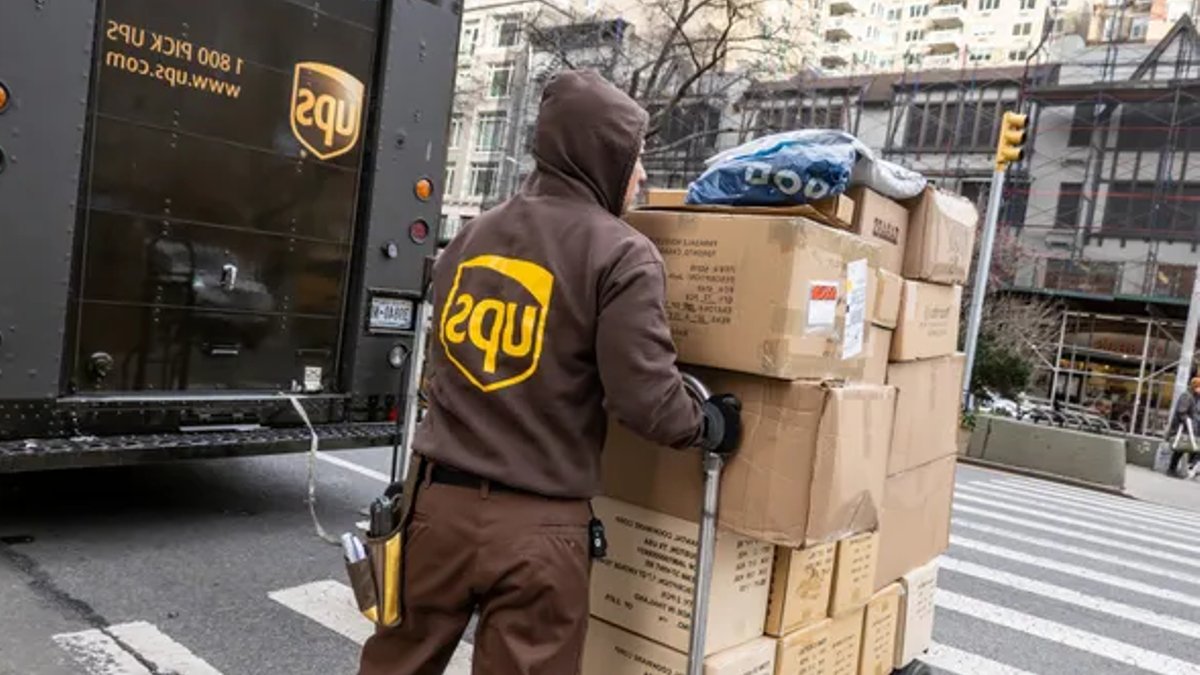
UPS is preparing for its first peak season since reducing its Amazon volume by half. The company’s strategy to focus on more profitable customer segments is showing results, according to executives during a recent earnings call.
Focus on Profitable Segments
CEO Carol Tomé stated that over 100 U.S. customers drive about 80% of UPS’s annual peak season volume spike. Based on their forecasts, they expect average daily volume to increase by 25% from Q3 to Q4, consistent with last year’s peak season.
However, Tomé noted that UPS anticipates a slight drop in Q4 average daily U.S. volume compared to last year due to the planned reduction in Amazon deliveries. This shift is part of UPS’s strategy to prioritize more lucrative segments, such as small businesses and healthcare shippers.
Revenue Growth and Strategic Shifts
Despite the expected volume decline, UPS projects a 3% year-over-year Q4 revenue increase for its U.S. business. This growth is driven by higher per-package revenue and volume growth among premium segments, according to EVP and CFO Brian Dykes.
In Q3, small- and medium-sized business shippers accounted for 35.1% of UPS’s total U.S. volume, a 240 basis point increase from last year. Healthcare shipper revenue exceeded $3 billion for the third consecutive quarter, highlighting the success of UPS’s strategic shift.
This change benefited UPS’s U.S. Q3 results, with revenue per piece increasing by 6.1% despite a 3.3% drop in average daily volume. Dykes attributed about half of this growth to base shipping rates and customer mix improvements, with the remainder from higher fuel rates. These rates also contributed to the company’s ability to manage the transition effectively.
UPS is introducing new services and technologies to enhance operations. The peak season will see the launch of Protected Delivery, a service requiring recipients to share a PIN code with couriers for added security. Available for $10.70 per shipment, it starts on November 16.
Operational Efficiency and Workforce Adjustments
UPS has increased automation and implemented RFID technology to reduce manual scanning. These upgrades, along with the projected volume drop, are expected to ease operational pressures. Lower volume means renting fewer trailers, leasing fewer aircraft, and hiring and training fewer people in a short period, Dykes noted.
While UPS plans to hire 100,000 seasonal employees for the holidays, it has trimmed its driver ranks in response to the Amazon volume decline. In Q3, approximately 1,500 drivers accepted buyouts and left under the “Driver Choice Program.”


