


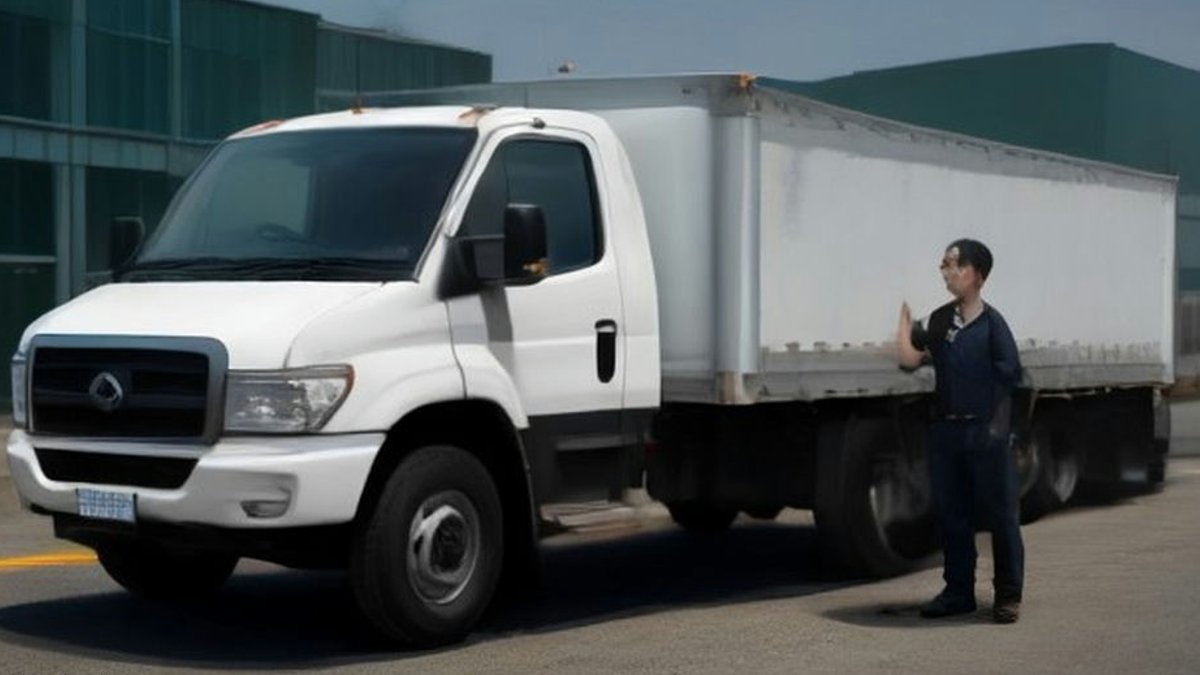
Foton has chosen a cautious approach to entering Europe, prioritizing the construction of a service and parts network before establishing local production. This plan was revealed during the recent IAA Transportation event in Hannover. Currently, the Chinese commercial vehicle manufacturer operates sales networks across nearly 20 European markets, with parts warehouses in 17 countries and over 300 service centers already in place. While local assembly is set for 2028, details such as the plant location, investment size, and production models have yet to be finalized.
The company’s gradual strategy makes practical sense. A service and parts network can be expanded incrementally alongside sales growth, whereas a manufacturing facility ties up significant capital and labor in one location. For fleet operators considering Foton trucks, dependable service often outweighs the initial cost difference compared to competitors. Downtime from breakdowns or repair delays can exceed the price gap between models.
Foton is also developing additional support systems, including leasing options, connected vehicle services, used-truck operations, charging infrastructure assistance, and residual-value management. Each of these initiatives demands local partnerships to fund inventory, hire staff, or build necessary infrastructure—elements that would otherwise fall to buyers in a purely export-based model.
Europe’s truck market shifts toward electrification
The European truck market is experiencing growth, though diesel engines still dominate. According to the European Automobile Manufacturers’ Association, there were 171,933 new EU truck registrations in the first half of 2026, marking a 9.8% increase from a year earlier. Heavy-truck demand rose 11.1%. Electrically chargeable trucks grew faster, with registrations up 47.7%, yet they represented 4.8% of the market. Diesel retained a 92.1% share.
Charging infrastructure remains a significant obstacle to wider adoption of electric trucks. Industry leaders discussed at IAA how charging networks, hydrogen refueling stations, and grid capacity are not keeping pace with the transition to cleaner vehicles. While Foton can handle vehicle deliveries and parts distribution, ensuring depot power and route-side charging falls outside its direct control. The company’s inclusion of energy solutions in its European plans indicates awareness of this challenge, though it has not specified how costs will be distributed among manufacturers, dealers, charging providers, or customers.
New models and hydrogen tests on the road
At the show, Foton introduced its Cavan heavy-duty truck and announced road tests for the Galaxus 9 in Spain. The company also showcased its electric, hybrid, and hydrogen-powered vehicle lineup, though widespread fleet adoption will depend on real-world performance. Since 2004, Foton has exported over 1.38 million vehicles, with global deliveries now exceeding 13 million. However, the company did not disclose current European sales figures, revenue, or market share, leaving its regional presence unclear.
By 2030, Foton wants new-energy vehicles to account for half of total sales and international markets for 40 percent. Europe is expected to support both goals, even though regulation, established truck brands and fragmented charging conditions make entry expensive. The service footprint can reduce one source of buyer hesitation. Seventeen national parts warehouses put inventory closer to repairs, while a German regional centre can coordinate replenishment. Performance will depend on whether the right components are stocked, whether dealers can diagnose faults and whether warranty decisions arrive before a truck loses another working day.


